
In U.S. immigration law, a waiver is a special request asking the government to forgive certain past mistakes or issues—so you can move forward with your green card process.
In this article we’ll walk through what waivers are, when they apply, and why getting legal help is almost always a must.
Because here’s the truth: waivers are case-specific and legally complex. The right waiver, supported by the right evidence, can open a door that would otherwise stay closed.

Why Someone Might Need a Family-Based Waiver
A lot of people are surprised to learn that being married to a U.S. citizen or green card holder doesn’t automatically “fix” everything. In fact, certain immigration problems can still block your green card—even if your relationship is 100% real and valid. That’s where family-based waivers come in.
Here are some of the most common reasons someone might need a waiver before they can move forward with their green card application:
Unlawful Presence in the U.S.
If you’ve spent more than 180 days in the U.S. without lawful status, you could face a 3- or 10-year bar from reentering the U.S. once you leave. A waiver may be required if you’re applying through consular processing abroad.
Entry Without Inspection (EWI)
If you entered the U.S. without going through immigration inspection—meaning you crossed the border without a visa or checkpoint—you’re typically ineligible to adjust status in the U.S. A waiver may help, but this type of case needs close legal review.
Prior Immigration Violations
If you’ve been previously deported, caught using fake documents, or have a record of visa fraud or misrepresentation, you’ll likely need a waiver to even be considered for a green card.
A Family Relationship Alone Isn’t Enough
Being married to a U.S. citizen or green card holder definitely helps—but it doesn’t erase these issues automatically. That’s why waivers exist—to give people with close family ties a chance to stay together if they meet the legal requirements and can prove certain hardship or other qualifying factors.
Understanding Family-Based Waivers: I-601A, I-601, and I-212
Not all waivers are created equal—and each form serves a different purpose depending on why you’re inadmissible and what your immigration history looks like.
Let’s break down the key waiver options for family-based green card applicants:

Form I-601A: Provisional Unlawful Presence Waiver
This is one of the most commonly used waivers for family-based immigration.
What It Does:
- Forgives unlawful presence in the U.S.—that is, time spent here without valid status.
- Helps you avoid the 3- or 10-year bar that would normally apply after you leave the country for your green card interview.
What It Doesn’t Do:
- It does not forgive criminal issues, prior deportations, or fraud.
- It's only useful if unlawful presence is your only issue.
Who Typically Qualifies:
- Immediate relatives of U.S. citizens or lawful permanent residents
- Applicants with no other grounds of inadmissibility
How the Process Works:
- You file I-601A while still in the U.S.
- If approved, you leave the U.S. briefly for your consular interview
- Once approved at the interview, you re-enter as a green card holder
The biggest benefit? It minimizes the time you’re separated from your family abroad. It lets you take care of the waiver before you leave for your visa interview—so you don’t get stuck outside the U.S. for months or even years.
Form I-601: Waiver of Grounds of Inadmissibility
If your inadmissibility goes beyond unlawful presence, you’ll likely need Form I-601 instead.
When It’s Required:
-
If you were denied at a consular interview due to issues like:
- Criminal history
- Fraud or misrepresentation
- Multiple grounds of inadmissibility
How It Works:
- Filed after your visa is denied
- You’ll be outside the U.S. while the waiver is reviewed
- Processing times can be long, and you’ll need strong documentation of extreme hardship to your qualifying relative
Key Risks:
- Longer time spent separated from family
- Higher burden of proof
- No guarantee of approval

Form I-212: Permission to Reapply After Removal
Form I-212 is for people who have previously been deported or removed from the U.S., and who want to legally reapply for admission.
When You Need It:
- You’ve been deported, removed, or left the U.S. under a removal order
- You’re subject to a reentry bar (often 5, 10, or 20 years depending on your case)
How It Fits Into the Process:
- I-212 is often needed alongside I-601 or I-601A
- Your immigration lawyer will help you figure out which form comes first based on your case strategy
Why Strategy Matters:
Sometimes, you’ll need to get permission to reapply (I-212) before you can even ask for a waiver (I-601). Getting the timing and sequencing right is crucial—and it’s one of the biggest reasons to get professional legal help.
The Extreme Hardship Requirement
One of the biggest factors in many family-based waiver cases is proving “extreme hardship” to your qualifying relative. This is where many waiver applications succeed—or fail.
“Extreme hardship” means more than just emotional distress or inconvenience. You have to show that your U.S. citizen or green card–holding spouse or parent would suffer significantly if your green card were denied or if you were forced to leave the country.
USCIS looks at the big picture. Common hardship factors include serious medical needs, financial strain, emotional or psychological hardship, and unsafe country conditions where the applicant would be sent.
To prove this, you’ll need strong documentation. That often includes things like :
- Medical records
- Therapist letters
- Country reports
- Pay stubs
- Tax returns
- Detailed affidavits from your qualifying relative explaining how their life would be impacted.
You don’t have to go through this alone—but you do need to show the government a clear, compelling reason to approve your waiver.
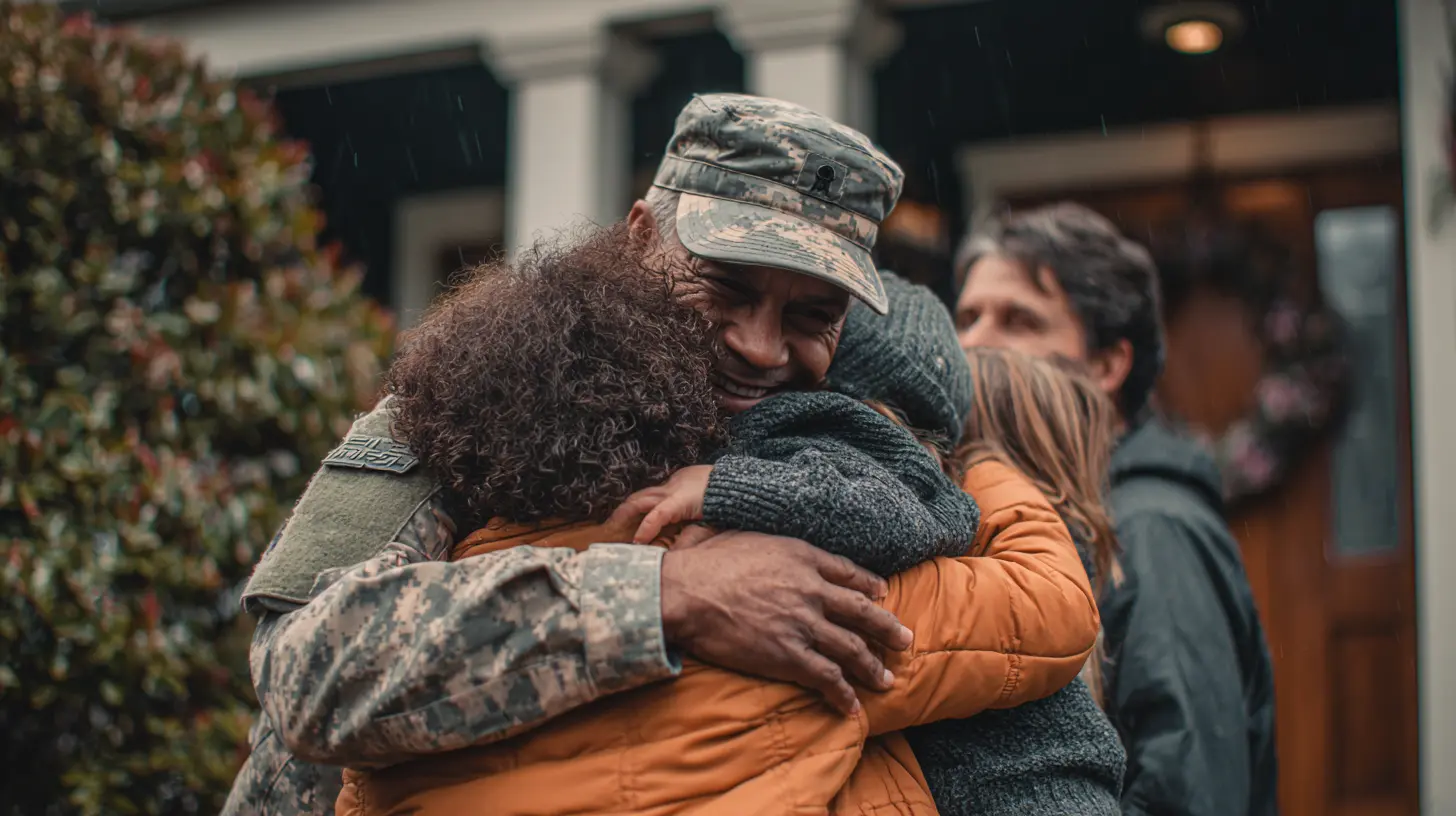
Special Path: Family of U.S. Military Members
If you’re the spouse, parent, or child of a U.S. military service member (active duty, veteran, or reservist), you may have access to a unique immigration option called Parole in Place, or PIP.
What Is Military Parole in Place?
PIP allows certain undocumented family members of U.S. military personnel to receive lawful entry for immigration purposes—without leaving the U.S. Even if you originally entered without inspection, PIP can help “fix” that issue and make you eligible to apply for a green card from inside the U.S.
Who May Qualify?
PIP is available to:
- Spouses
- Parents
- Unmarried children under 21
…of U.S. citizens who are serving or have served in the U.S. Armed Forces, Reserves, or National Guard.
By granting parole, PIP removes the need for certain waivers—particularly those related to unlawful entry. That means no consular processing, no I-601A, and no risk of triggering a reentry bar by leaving the country. This benefit can be life-changing—but it's discretionary, and strong evidence is still required.
Conclusion
If something in your immigration history is standing between you and a green card, don’t give up hope. Waivers exist for a reason—to help people with real families, real lives, and real challenges stay together legally.
The waiver process is complex, but when done right, it works. We’ve seen it firsthand.
Whether you're dealing with unlawful presence, a past removal, or a previous mistake, the key is strategy. Knowing which waiver to file—and how to support it with the right documents and evidence—can make all the difference.
Before you file anything, talk with a trusted immigration attorney. A short consultation can help you avoid delays, denials, and unnecessary separation from your loved ones. Let’s figure out the best path forward—together, schedule a consultation today